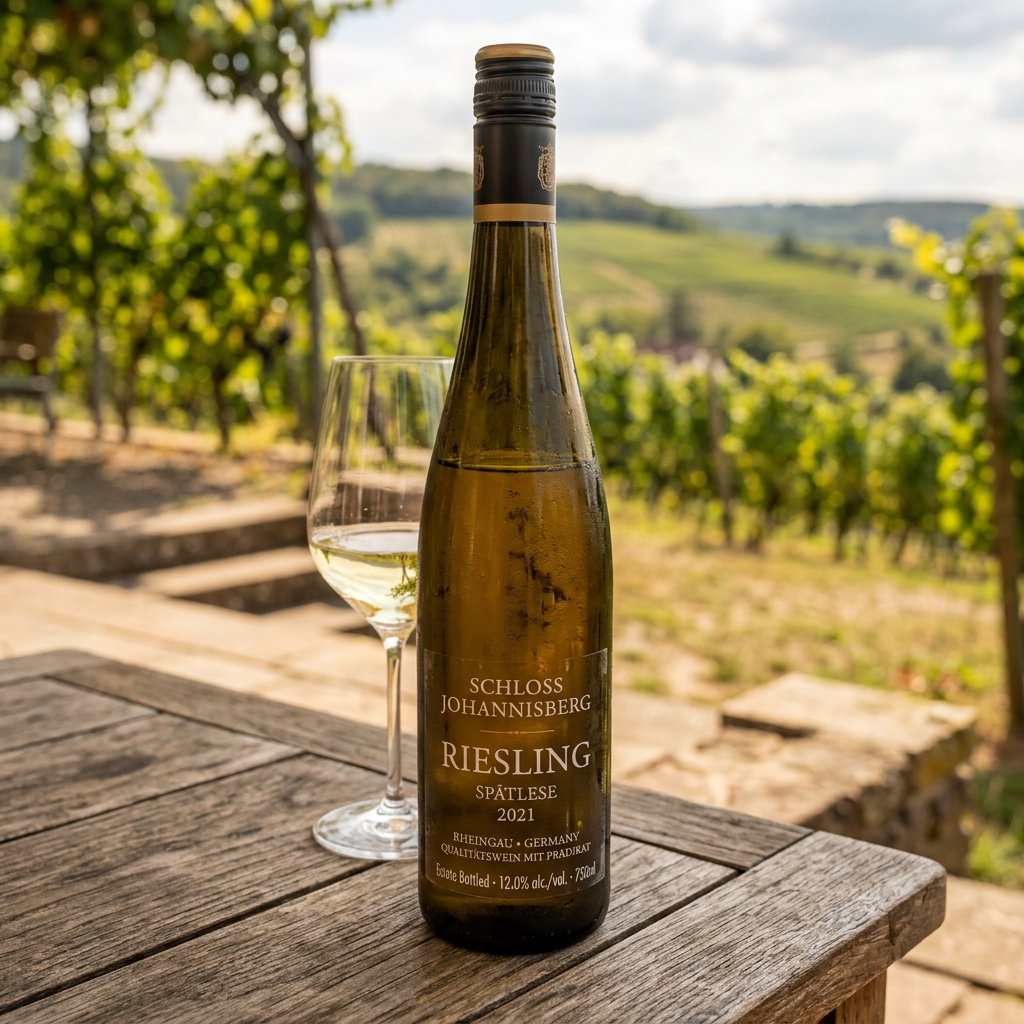
If Riesling has a reputation problem, it’s not because of what’s in the bottle—it’s because of what’s on the label.
Unlike many wines that clearly say “Dry” or “Sweet,” Riesling (especially from Germany) often feels like it’s written in code: long words, unfamiliar terms, and very little obvious guidance. But here’s the truth: once you crack the code, you unlock one of the most transparent and informative labeling systems in the wine world.
So, let’s turn you into a Riesling label detective!
Step 1: Start with the Region
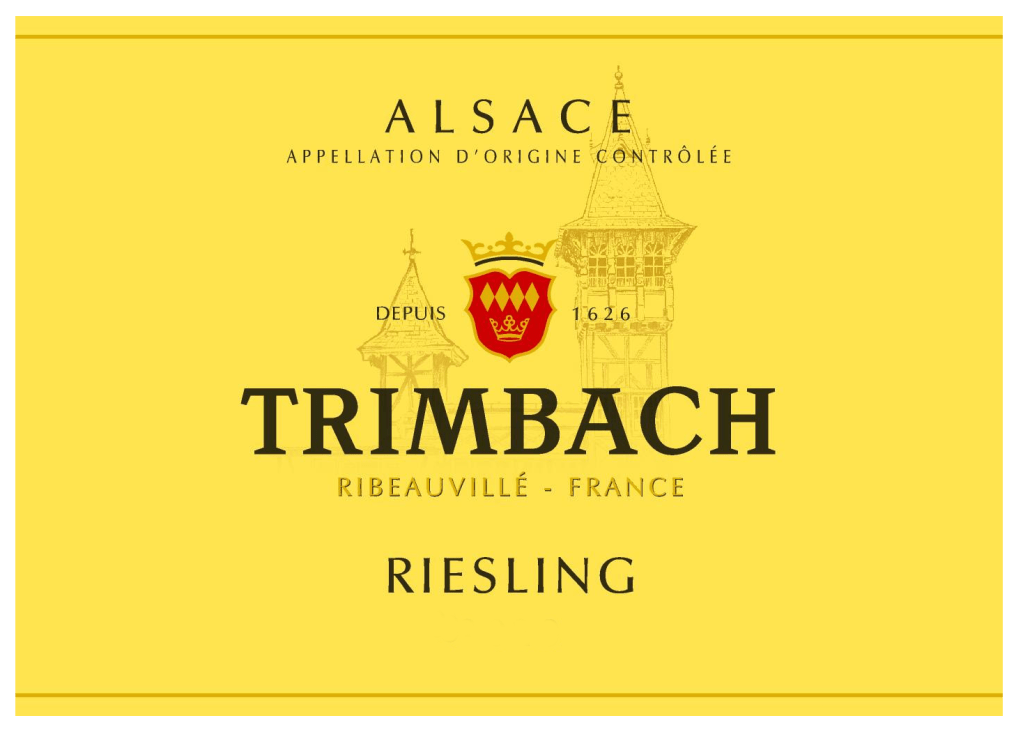
The first clue to sweetness and style is where the wine comes from.
- Mosel (Germany) – Often lighter, lower alcohol, with noticeable sweetness and electric acidity
- Rheingau (Germany) – More structured, often drier, with greater body
- Alsace (France) – Typically dry, fuller-bodied, and more powerful
- Clare Valley / Eden Valley (Australia) – Bone-dry, intensely lime-driven, age-worthy
Already, you’re narrowing down the style before even looking at the rest of the label.
Step 2: Look for the Magic Words
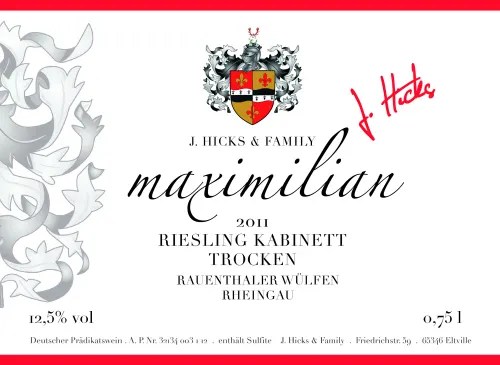
German Riesling labels often include terms that indicate sweetness level—but only if you know what to look for:
- Trocken = Dry
- Halbtrocken / Feinherb = Off-dry
- (No indication) = Often off-dry to sweet
Pro tip: If it doesn’t say “Trocken,” assume there’s at least some residual sugar.
Step 3: Understand the Prädikat System (Ripeness Levels)
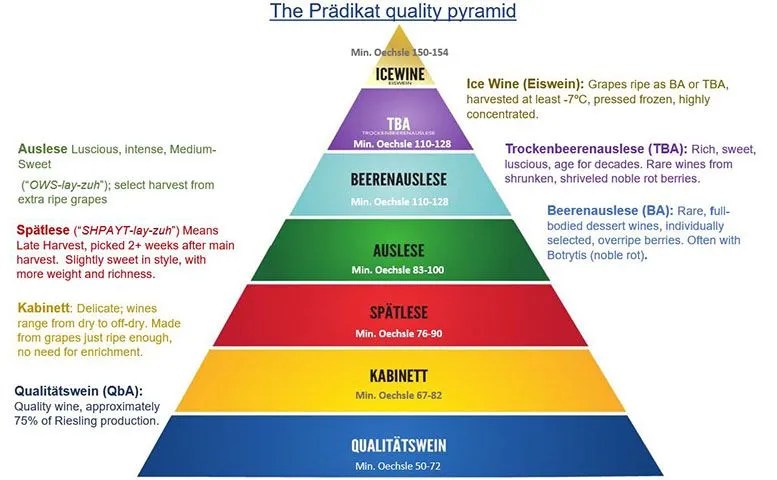
This is where things get interesting—and a little counterintuitive.
These terms refer to grape ripeness at harvest, not sweetness in the final wine:
- Kabinett – Light, delicate, often off-dry
- Spätlese – “Late harvest,” richer, more fruit intensity
- Auslese – Select harvest, often noticeably sweet
- Beerenauslese / Trockenbeerenauslese / Eiswein – Lusciously sweet dessert wines
Here’s the twist:
A Kabinett can taste drier than a Spätlese, but both can technically be made in a range of styles.
Step 4: Check the Alcohol
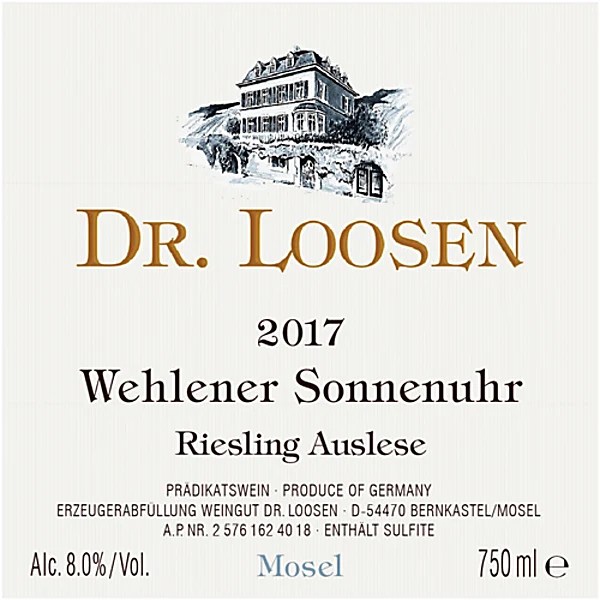
This might be the most practical trick of all.
- 7–9% ABV → Likely off-dry to sweet
- 10–11.5% ABV → Off-dry to medium-dry
- 12%+ ABV → Likely dry
Why? Because more fermentation = more sugar converted to alcohol.
May Wine Circle
Riesling doesn’t hide—it communicates. You just have to learn its language. So for an opportunity to further develop your Riesling wine label detective skills, join us on Thursday, May 7, from 6:00-7:30 pm at a Wilmington location TBD for our May Wine Circle focused on Riesling!
The first Thursday of each month, up to 8 people get together to enjoy each other’s company as we taste wine focused on a particular varietal, wine style or wine region. There’s no fee to participate in these gatherings. Each month is hosted by a different person who is only responsible for providing glasses and a festive tasting atmosphere. Each participant brings a bottle of wine and a paired snack to share that fits the month’s theme.
 Wilmington Wine Circle