The answer is both simple and fascinating. Riesling tends to share a recognizable family of aromas and flavors, but its personality can change dramatically depending on where it is grown. This is one reason wine lovers often say that Riesling is one of the best grapes for expressing terroir, the influence of climate, soil, and geography on a wine.
Let’s take a closer look at the aromas you might encounter in a glass of Riesling and how they vary in wines produced around the world.
The Classic Riesling Aroma Profile
Many Rieslings share a core group of aromas and flavors that make the grape easy to recognize once you become familiar with it.
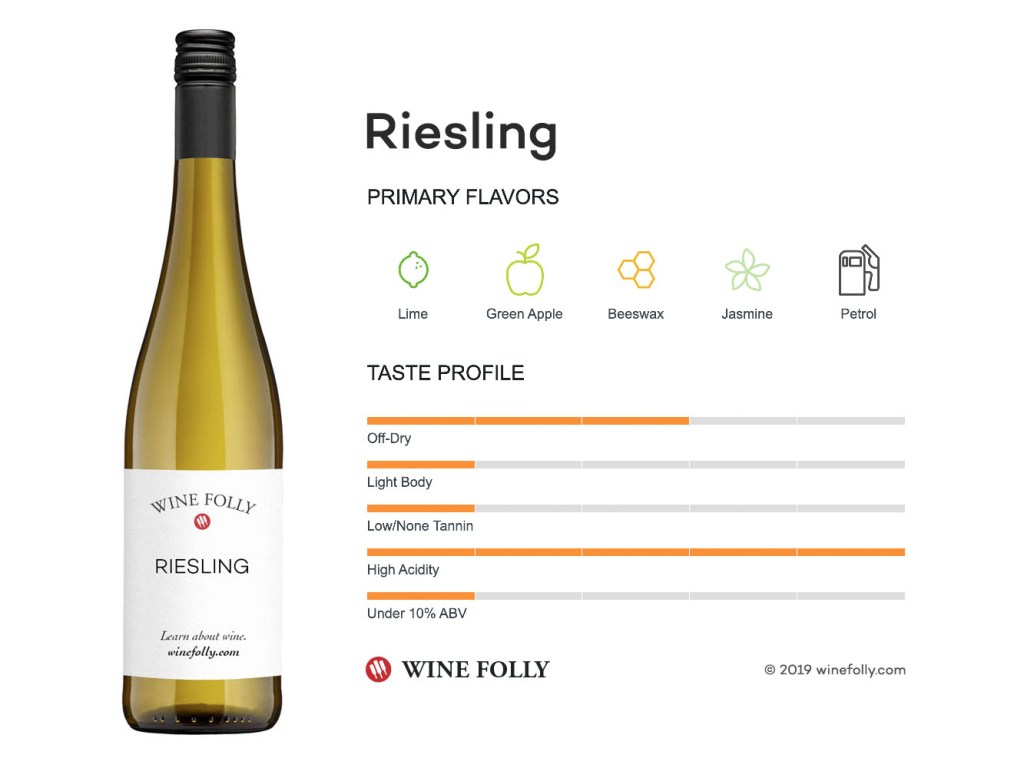
Common fruit aromas include:
• Lime
• Lemon
• Green apple
• White peach
• Apricot
• Nectarine
You may also notice delicate floral notes such as:
• Jasmine
• Honeysuckle
• Orange blossom
Some Rieslings also show a distinctive mineral character, often described as wet stone or slate.
And in certain aged Rieslings, you may notice a fascinating aroma that surprises many people: petrol. While this might sound unusual, it is actually a prized characteristic in mature Rieslings and comes from a naturally occurring aroma compound called 1,1,6-trimethyl-1,2-dihydronaphthalene.
Germany: Delicate and Mineral-Driven
Germany is widely considered the historic home of Riesling, and some of the world’s most elegant examples come from the steep vineyards of the Mosel.
Rieslings from this region are often:
• Light-bodied
• Highly aromatic
• Focused on lime, green apple, and citrus
• Marked by a distinctive slate-like minerality
Many German Rieslings have a slight touch of sweetness, beautifully balanced by bright acidity. This balance gives the wines a refreshing, almost weightless character rather than making them taste sugary.
The result is a style of wine that feels precise, vibrant, and incredibly expressive, showing just how graceful Riesling can be.
France: Powerful and Dry
Across the border in Alsace, Riesling takes on a very different personality.
Alsace Rieslings are typically:
• Dry
• Fuller-bodied
• Richer and more concentrated
You’ll often find aromas of peach, apricot, citrus peel, and white flowers, sometimes with hints of spice. These wines tend to feel broader and more powerful on the palate than their German counterparts.
Australia: Electrically Citrus and Precise
Some of the world’s most intensely vibrant Rieslings come from Australia, particularly the Clare Valley.
These wines are famous for:
• Bright lime and lemon aromas
• Razor-sharp acidity
• A crisp, dry finish
Young examples often taste incredibly fresh and energetic, and with time in the bottle they can develop those intriguing petrol notes that Riesling enthusiasts love.
United States: Balanced and Versatile
In the United States, one of the most exciting regions for Riesling is the Finger Lakes.
The cool climate around the deep glacial lakes creates ideal conditions for the grape. Rieslings from this region often show:
• Apple and peach flavors
• Bright citrus notes
• Lively acidity
Many examples strike a beautiful balance between fruit, acidity, and a subtle touch of sweetness.
A Fun Aroma Challenge
Before our upcoming May Wine Circle focused on Riesling, try a quick sensory experiment.
The next time you can, take a moment to smell:
• a freshly cut lime
• a ripe peach
• a handful of wet stones after rain
These aromas often appear in Riesling. When we taste together at our upcoming Wine Circle, see if you can recognize any of them in the wines in your glass.
You may discover that Riesling is far more complex and far more exciting than you ever expected.
May Wine Circle
So for a delicious discovery of the diversity of Riesling, come join us on Thursday, May 7, from 6:00-7:30 pm at a Wilmington location TBD.
The first Thursday of each month, up to 8 people get together to enjoy each other’s company as we taste wine focused on a particular varietal, wine style or wine region. There’s no fee to participate in these gatherings. Each month is hosted by a different person who is only responsible for providing glasses and a festive tasting atmosphere. Each participant brings a bottle of wine and a paired snack to share that fits the month’s theme.
 Wilmington Wine Circle